Source Backless A Line Corset Mini Dress for Parties
Compare 30 listings for the backless a line corset mini dress featuring varied materials like cotton and satin. Buyers can evaluate customization options, lead times, and pricing to find suitable suppliers for summer events; compare the available evidence and request quotations based on your requirements.
Key considerations
Products List


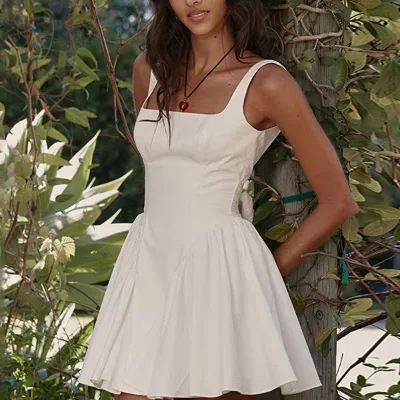


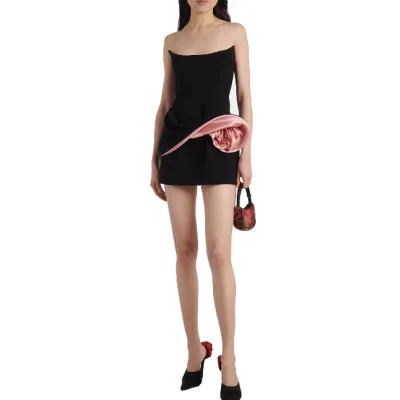
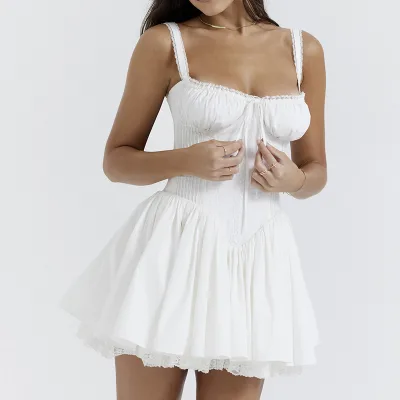


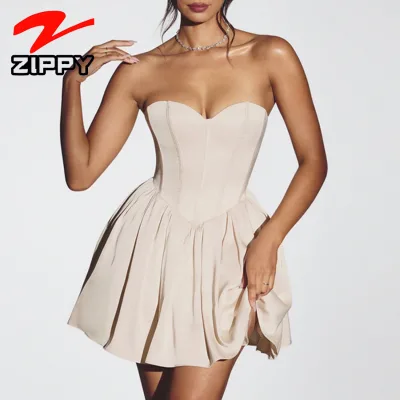
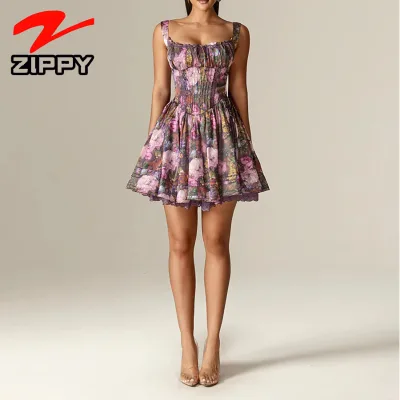


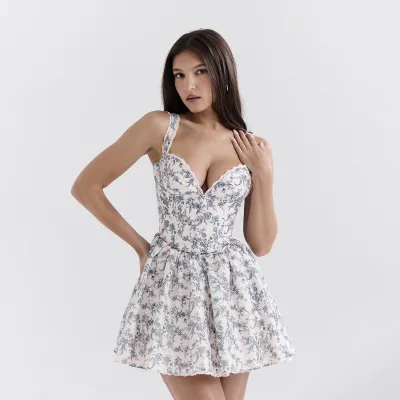

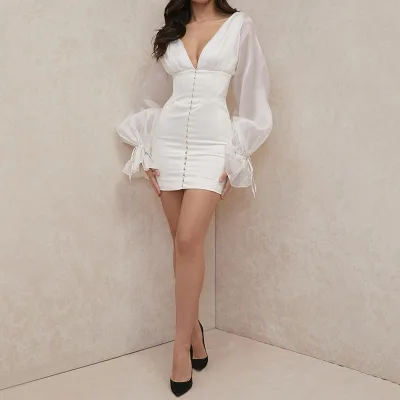
Comprehensive Sourcing Guide
Backless A Line Corset Mini Dress Sourcing Guide
Sourcing a backless a line corset mini dress requires careful attention to structural integrity and aesthetic alignment, as these garments combine delicate design elements with demanding fit requirements. Buyers must recognize that the "corset" style implies specific internal construction, such as boning or structured lining, which directly impacts comfort and durability. The observed market data indicates a wide variance in material composition, ranging from cotton blends to polyester and chiffon, which significantly alters the garment’s drape and suitability for different occasions. Understanding these material distinctions is crucial for selecting the right supplier, as the fabric choice dictates the manufacturing process and the final hand feel of the product.
The visual appeal of this style relies heavily on the interplay between the fitted bodice and the flared skirt, a silhouette that demands precise pattern making. Suppliers often list variations in neckline and sleeve type, with some offering strapless or sleeveless options that complement the backless design. Buyers should verify that the listed "sexy" or "party" occasion tags align with their target demographic’s expectations. It is essential to distinguish between solid color offerings and patterned variants, as the observed listings show both plaid and solid options, each requiring different quality control protocols for pattern matching and color consistency.
Product Scope and Observed Listing Signals
The current market landscape for backless a line corset mini dresses reveals a diverse array of product attributes that buyers must navigate. Observed listings highlight a significant presence of satin and chiffon fabrics, with fabric weights varying from 140 grams to 300 grams, indicating a spectrum from lightweight summer wear to more structured evening pieces. The model numbers and specifications provided by suppliers, such as EL2024100502 and CA182, suggest a high degree of customization and OEM service availability. Buyers should treat these model identifiers as reference points for communication rather than guarantees of identical construction, as they often represent specific supplier SKUs rather than universal industry standards.
Color options are predominantly centered around black, a versatile choice for party and evening wear, but buyers should confirm the availability of other shades if their brand requires variety. The observed "short" length and "mini" dress specifications align with the core keyword, ensuring that the final product meets the expected silhouette. However, discrepancies in reported gross weight, ranging from 0.300 kg to 15.000 kg, highlight the importance of verifying the actual product weight against the listing. This variance may indicate differences in packaging, included accessories, or simply data entry errors, necessitating direct confirmation with the supplier to avoid logistical surprises upon receipt.
Technical Specifications to Verify
Technical verification begins with the structural components of the corset design, particularly the presence and type of boning or internal support. Buyers must confirm whether the garment includes chest pads or relies on the fabric’s natural structure, as the observed data shows some listings explicitly state "no chest pad." The neckline specification is critical, with options ranging from strapless to other variations, which must be matched to the customer’s fit expectations. Additionally, the sleeve length and type, often listed as sleeveless, should be cross-referenced with the actual product images to ensure consistency, as some listings may include conflicting attributes like "long" sleeves despite the "short" length tag.
Fabric composition and weaving methods are equally important for quality assurance. The observed materials include cotton, polyester, and chiffon, each with distinct care requirements and durability profiles. Buyers should verify the weaving method, such as woven or printed techniques, to ensure the fabric behaves as expected during wear. The lining material, often polyester, should be checked for breathability and comfort, especially for summer-season garments. Furthermore, the single package size and gross weight must be confirmed to calculate accurate shipping costs, as discrepancies in these figures can significantly impact the landed cost and inventory planning.
Compliance and Safety Documentation
Compliance with safety standards is non-negotiable for garments intended for party and evening wear, particularly those with intricate designs. Buyers must ensure that suppliers provide relevant test reports for flammability, chemical safety, and physical durability, especially if the target market has strict regulatory requirements. The observed listings do not explicitly mention certifications, so buyers should proactively request documentation to verify that the materials used, such as polyester or cotton blends, meet international safety standards. This is particularly important for garments with potential choking hazards, such as loose buttons or decorative elements, which must be securely attached.
Labeling and care instructions are also critical components of compliance. Buyers should verify that the product labels include accurate fiber content, country of origin, and care instructions in the language of the target market. The observed "Made in China" origin requires adherence to specific import regulations, including proper labeling of the place of origin. Additionally, buyers should check for any restricted substances in the dyes and finishes used, particularly for black-colored garments, which may require specific chemical treatments. Ensuring that the supplier provides a comprehensive compliance package helps mitigate risks associated with customs clearance and product liability.
Cost Drivers and Commercial Terms
Cost drivers for backless a line corset mini dresses are influenced by material selection, labor intensity, and customization requirements. The observed price range of 0.5 to 100 USD reflects significant variation based on fabric quality, design complexity, and order volume. Buyers should analyze the cost breakdown to understand how much is attributed to materials versus labor, particularly for corset-style garments that require precise construction. The availability of OEM services suggests that custom designs may incur additional costs, which should be factored into the budget. Understanding these cost drivers helps buyers negotiate more effectively and identify potential areas for cost reduction without compromising quality.
Commercial terms, including MOQ and lead times, vary widely among suppliers. The observed MOQ range of 1 to 300 units offers flexibility for small businesses and larger retailers alike. Buyers should clarify the lead times for both sample orders and bulk production, as the observed "7 Days Sample Order Lead Time" indicates a relatively quick turnaround for prototypes. However, bulk production lead times may be longer, especially for customized orders. Payment terms, shipping methods, and return policies should also be negotiated to ensure a smooth transaction. Clear communication regarding these terms helps prevent misunderstandings and ensures that the procurement process runs efficiently.
Supplier Qualification and Quality Control
Supplier qualification is a critical step in ensuring the reliability and quality of backless a line corset mini dresses. Buyers should assess suppliers based on their production capacity, quality control processes, and past performance. The observed "In-Stock Items" and "OEM Service" options indicate different supplier capabilities, with OEM providers offering more customization but potentially longer lead times. Buyers should request samples to evaluate the fit, finish, and overall quality of the garments. Additionally, checking the supplier’s reputation through reviews or references can provide insights into their reliability and customer service.
Quality control measures should be established before production begins, including clear specifications for materials, construction, and finishing. Buyers should define acceptable tolerances for measurements, color consistency, and stitching quality. Regular inspections during production and before shipment help identify and rectify issues early. The observed "Single Item" selling units suggest that buyers may need to manage inventory carefully, so establishing a robust QC process is essential. Collaborating with the supplier to implement a comprehensive QC plan ensures that the final products meet the buyer’s standards and customer expectations.
Long-Term Procurement Checks
Long-term procurement success depends on continuous monitoring of supplier performance and market trends. Buyers should regularly review supplier metrics, such as on-time delivery rates, defect rates, and responsiveness to issues. Establishing a feedback loop with the supplier helps identify areas for improvement and strengthens the partnership. Additionally, staying informed about changes in material costs, labor regulations, and consumer preferences allows buyers to adapt their sourcing strategies proactively. The observed "Summer" season focus suggests that buyers should plan inventory accordingly, ensuring that stock levels align with seasonal demand.
Building a diversified supplier base mitigates risks associated with single-source dependencies. Buyers should explore multiple suppliers for backless a line corset mini dresses to ensure continuity of supply and competitive pricing. Regularly evaluating new suppliers and products helps keep the sourcing strategy fresh and responsive to market changes. Furthermore, maintaining open communication with suppliers regarding future trends and potential collaborations can lead to innovative product offerings. By focusing on long-term relationships and strategic planning, buyers can achieve sustainable growth and competitive advantage in the fashion market.
FAQs
What customization options are available for this dress?
Customization is available for this product line, allowing buyers to request specific modifications. The supply type supports OEM service, enabling tailored designs. Buyers can specify details like logo placement or fabric adjustments to meet unique requirements.
Which fabric types are used for these mini dresses?
The product listings indicate the use of various fabric types including cotton, satin, and chiffon. Some items feature polyester lining. Buyers should verify the specific fabric weight and type for each model number to ensure it matches their design needs.
Can I order a sample with a short lead time?
Yes, a seven-day sample order lead time is supported for this product category. This allows buyers to evaluate quality quickly before placing larger orders. The single item selling unit makes it easy to request individual samples for testing purposes.
What is the typical packaging method for these dresses?
Packaging typically involves a clear plastic bag with one bag per piece, often placed inside a carton. Some listings specify poly bag packing. The single package size varies, with dimensions like 30x20x20 cm or 10x10x10 cm depending on the specific model.
Where are these dresses manufactured and shipped from?
These dresses originate from Guangdong, China, as indicated by the product origin details. The place of origin is consistently listed as China. Buyers sourcing from this region can expect standard shipping routes from major manufacturing hubs in that area.
What styles and silhouettes are offered for this dress?
The collection includes styles described as sexy and simple with a straight silhouette. Necklines vary, including strapless and others. The dresses are designed as mini length items, often featuring fashion elements like cut-outs or solid patterns for a modern look.
How does the MOQ vary for different suppliers?
The observed minimum order quantity ranges from one to three hundred units across different listings. Some items are sold as single units, while others may require bulk purchases. Buyers should check specific supplier terms to find options matching their volume needs.